


Solo Trip to Ladakh: 7-Day Plan, Permits, Trips from ₹30,999
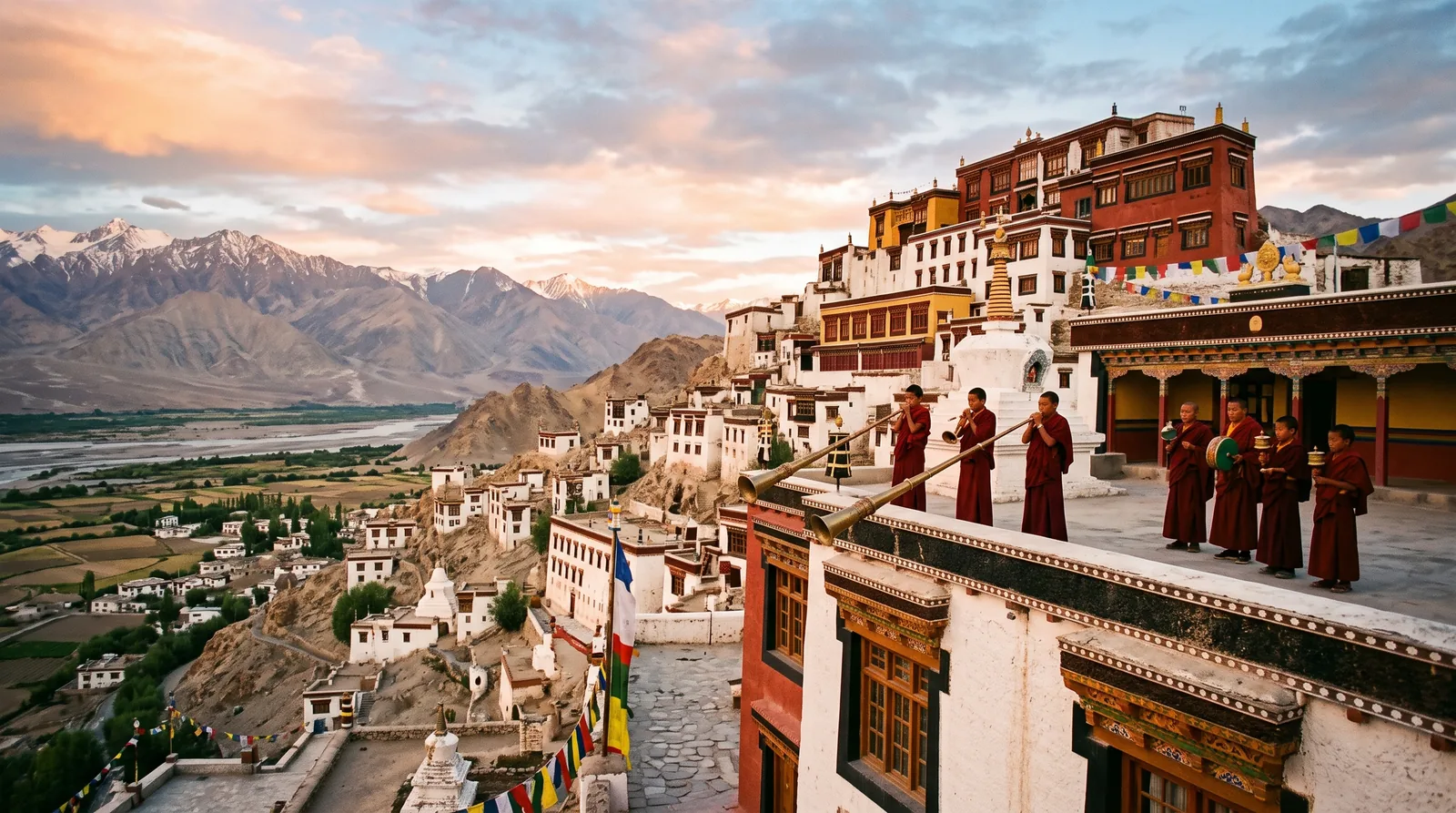
A solo trip to Ladakh is one of the best first big trips you can take alone in India. Leh is used to independent travellers, the people are welcoming, and the classic circuit of Leh, Nubra and Pangong is well-travelled enough that you are rarely the only visitor on the road.
What makes Ladakh different is not the people but the terrain: thin air, long empty stretches, and whole valleys where your phone stops working. It needs more planning than an ordinary holiday. This guide covers that planning.
Respect the altitude first
Leh sits at about 3,500 m (11,500 ft), and the passes on this route climb above 5,000 m (17,000 ft). Acute Mountain Sickness (AMS) can affect anyone, however fit they are.
- Rest for the first 48 hours. No treks, no long drives, no packed sightseeing days. A slow walk to the market is plenty.
- Drink water steadily, around 3 to 4 litres a day. Skip alcohol and smoking for the first few days, and keep meals light.
- Ask your doctor about Diamox (acetazolamide) before you travel. It is not right for everyone, so settle it at home, not at the airport.
- Know the warning signs. A headache that painkillers do not shift, vomiting, breathlessness at rest or confusion all mean: go no higher and see a doctor. SNM Hospital in Leh treats altitude sickness.
Travelling alone, the real risk is that nobody notices you are unwell. Tell your hostel or homestay where you are going each day, and say something early if you feel off.
A 7-day solo itinerary
On your own, stick to the classic circuit. It is where the shared taxis, hostels and other travellers are.
- Days 1 and 2: Leh, resting. Arrive, sleep, eat light, and go no further than a stroll through the market.
- Day 3: Leh sightseeing. Shanti Stupa, Leh Palace and the Hall of Fame museum, all a short drive from town.
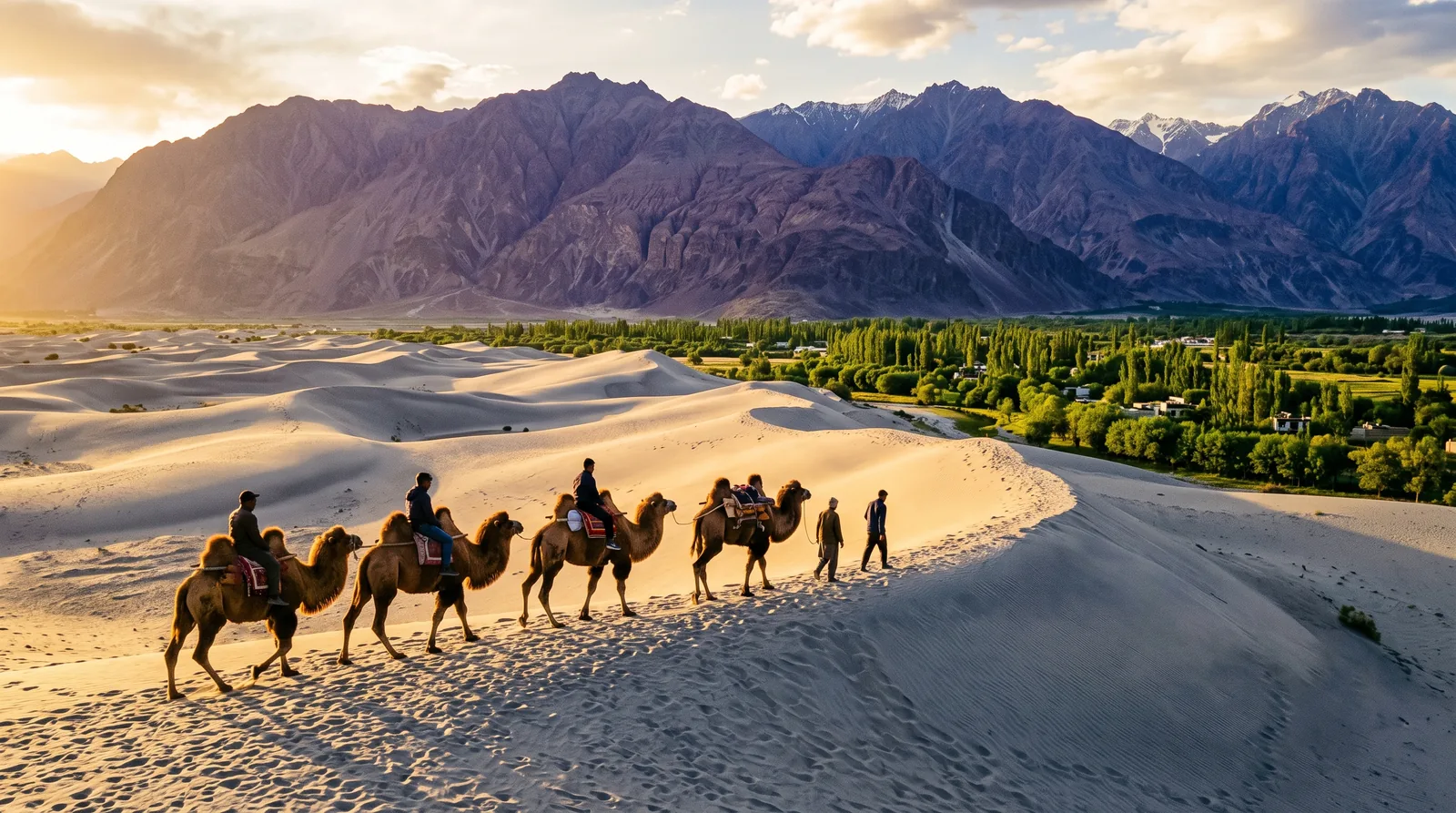
- Day 4: Leh to Nubra Valley over Khardung La. Diskit Monastery, then the Hunder sand dunes in the late afternoon.
- Day 5: Nubra to Pangong Tso on the Shyok river road. Check the road with your driver the evening before, because landslides can close this stretch. Sleep in a lakeside camp or homestay.
- Day 6: Pangong back to Leh over Chang La, with an evening in Leh market.
- Day 7: Fly out.
Pangong is the highest night of the trip, at around 4,200 m, so keep it after Nubra and never in your first few days. With two more days to spare, add Turtuk beyond Nubra, a Balti village of apricot orchards that feels unlike anywhere else in Ladakh.
Flying in or driving up
Flying into Leh is fastest, but you land at 3,500 m straight from the plains, which is why the two rest days are not optional.
Driving up takes two days but acclimatises you gradually. The Srinagar road climbs more gently. The Manali road crosses higher passes and usually means a night at Sarchu, around 4,300 m, where many people feel the altitude badly. Both roads are seasonal. They open in spring or early summer once the passes are cleared, and close with the winter snow, the Manali road earlier than the Srinagar road. Flights run all year.
Getting around alone
- Share a taxi. Splitting a taxi is the cheapest way to reach Nubra and Pangong on your own. The front desks and noticeboards at social hostels in Leh, such as Zostel and The Hosteller, are the easiest place to find people heading the same way.
- Taxi fares are fixed. Leh's taxi union sets the fare for each route, so there is nothing to bargain over. Ask to see the rate card. If you arrive in a taxi from Manali or Srinagar, expect to switch to a local Ladakh taxi for sightseeing.
- Riding or driving yourself is where solo trips go wrong. It is popular, but a breakdown on a remote stretch is a different problem when there is no one with you. If you ride, carry a tool kit, a puncture kit and spare fuel, because fuel stations are few once you leave Leh. Never ride after dark. If you want the ride with a mechanic and a backup vehicle behind you, that is what our Manali–Leh Bike Expedition is for.
Permits, cash and your phone
- Indian citizens no longer need an Inner Line Permit. Instead, you pay an environment fee, a wildlife fee and a Red Cross contribution online at lahdclehpermit.in, the official LAHDC Leh portal. Print the receipt, and carry a few copies with your photo ID in case checkposts on the way to Nubra and Pangong ask for them. Foreign nationals still need a Protected Area Permit, arranged through a registered agent in Leh.
- Carry cash. Leh has plenty of ATMs. Beyond Leh, ATMs are few and card and UPI payments fail whenever the network does. Take enough cash for Nubra and Pangong before you leave town.
- Prepaid SIMs from outside Ladakh do not work. Only postpaid connections from the rest of India work here. If you are on prepaid, switch to postpaid before you fly; it is far easier than trying to arrange a local SIM in Leh.
- Expect to lose signal. Leh town has fast mobile data. Coverage thins quickly outside it, is patchy in Nubra and at Pangong, and often vanishes on the roads between. Download offline maps, and tell someone your plan before you head out.
Packing for one
- Layers, not one heavy coat. An afternoon in the sun can feel warm, and the temperature drops hard the moment the sun goes or the wind picks up. Pack thermals, a fleece, and a windproof, waterproof outer layer.
- Serious sun protection. UV is far stronger at this altitude. Bring SPF 50 sunscreen, UV-blocking sunglasses and lip balm.
- A power bank and a small first-aid kit. Many Pangong camps only have electricity for a few hours in the evening, and on your own there is no one to borrow a charger from.
FAQs
Is Ladakh safe for a solo female traveller?
Ladakh has a good reputation among solo women travellers, and Leh is used to independent visitors. The usual care applies: stay in well-reviewed hostels or homestays, share taxis with people you have met through your stay, avoid travelling after dark, and tell someone your plan each day. For most visitors, the bigger risks are altitude and remote roads.
Do Indians need a permit for Nubra Valley and Pangong Lake?
Not an Inner Line Permit any more. Indian citizens pay an environment fee, a wildlife fee and a Red Cross contribution online at lahdclehpermit.in, then carry the receipt and photo ID. Foreign nationals still need a Protected Area Permit through a registered agent in Leh. Check the portal before you travel, because the rules do change.
Which SIM card works in Ladakh?
Postpaid connections from anywhere in India work in Ladakh. Prepaid SIMs from outside Ladakh do not. Coverage is good in Leh town and patchy in Nubra and at Pangong, so download offline maps before you leave Leh.
How many days do I need for a solo trip to Ladakh?
Seven days covers Leh, Nubra and Pangong at a safe pace, including two rest days on arrival. With eight or nine days you can add Turtuk. Anything shorter than six days means cutting the acclimatisation, and that is the one thing you should never cut.
Solo, but not on your own
Travelling alone does not mean you have to organise everything alone. Ladakh: The High Silence covers this same Leh, Nubra and Pangong circuit in 7 days, starting with a do-nothing acclimatisation day, from ₹32,999. Turtuk & the Far Valley Explorer adds the far valley. Or tell us your dates and we will plan a Ladakh trip around you.
Permit, fee and network rules in Ladakh change. Everything above reflects the position at the time of writing; confirm the current rules on lahdclehpermit.in before you travel.
Ready to turn an idea into a trip?
Find a journey →Want more guides like this in your Google results?
Keep reading
More from the journal
Guide
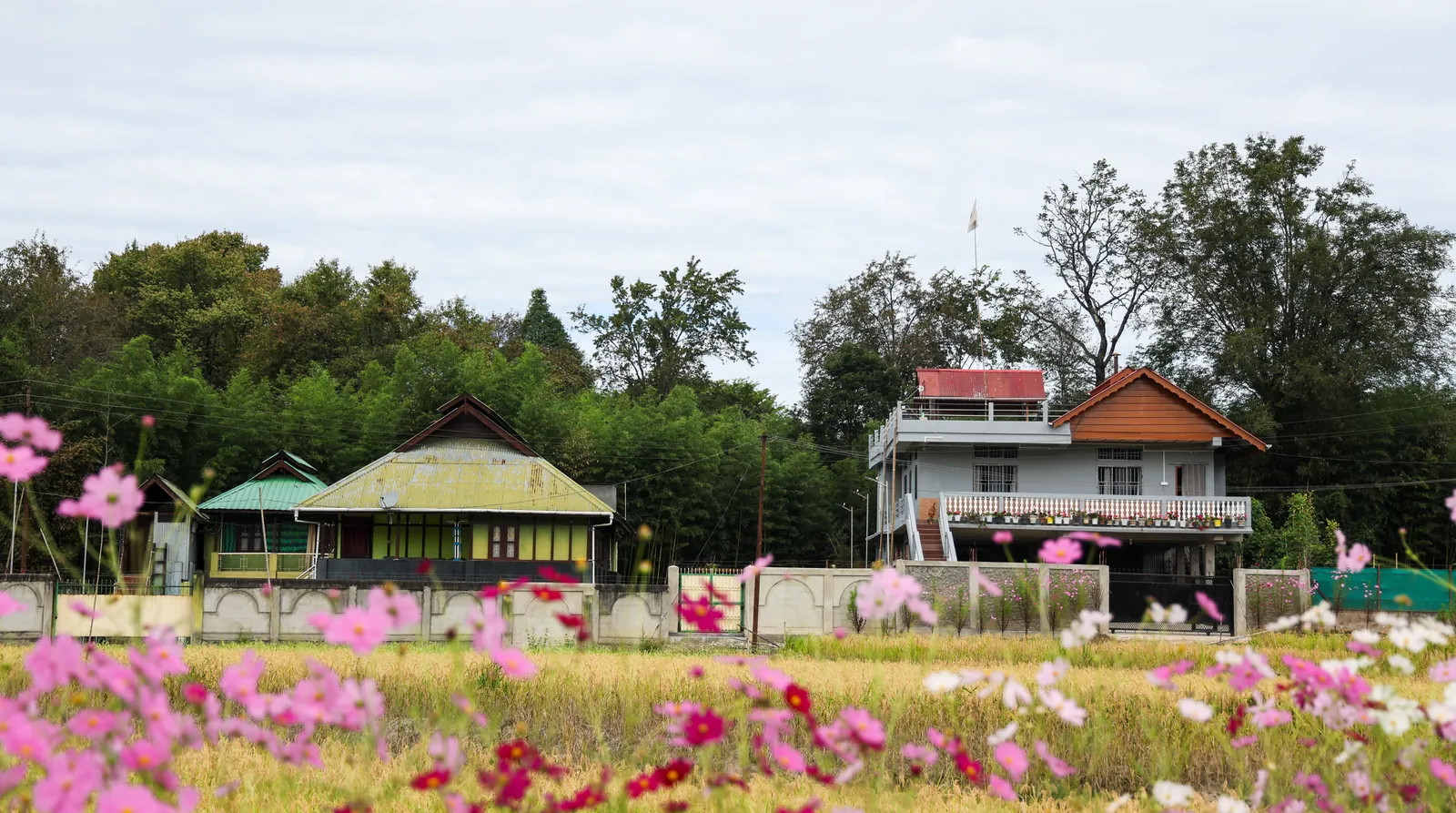
15 Offbeat Places to Visit in India in 2026 (and When to Go)
Tirthan, Ziro, Majuli, Gandikota, Nongriat and ten more quieter places in India for 2026, with the best months and the permits to check.
Read the guide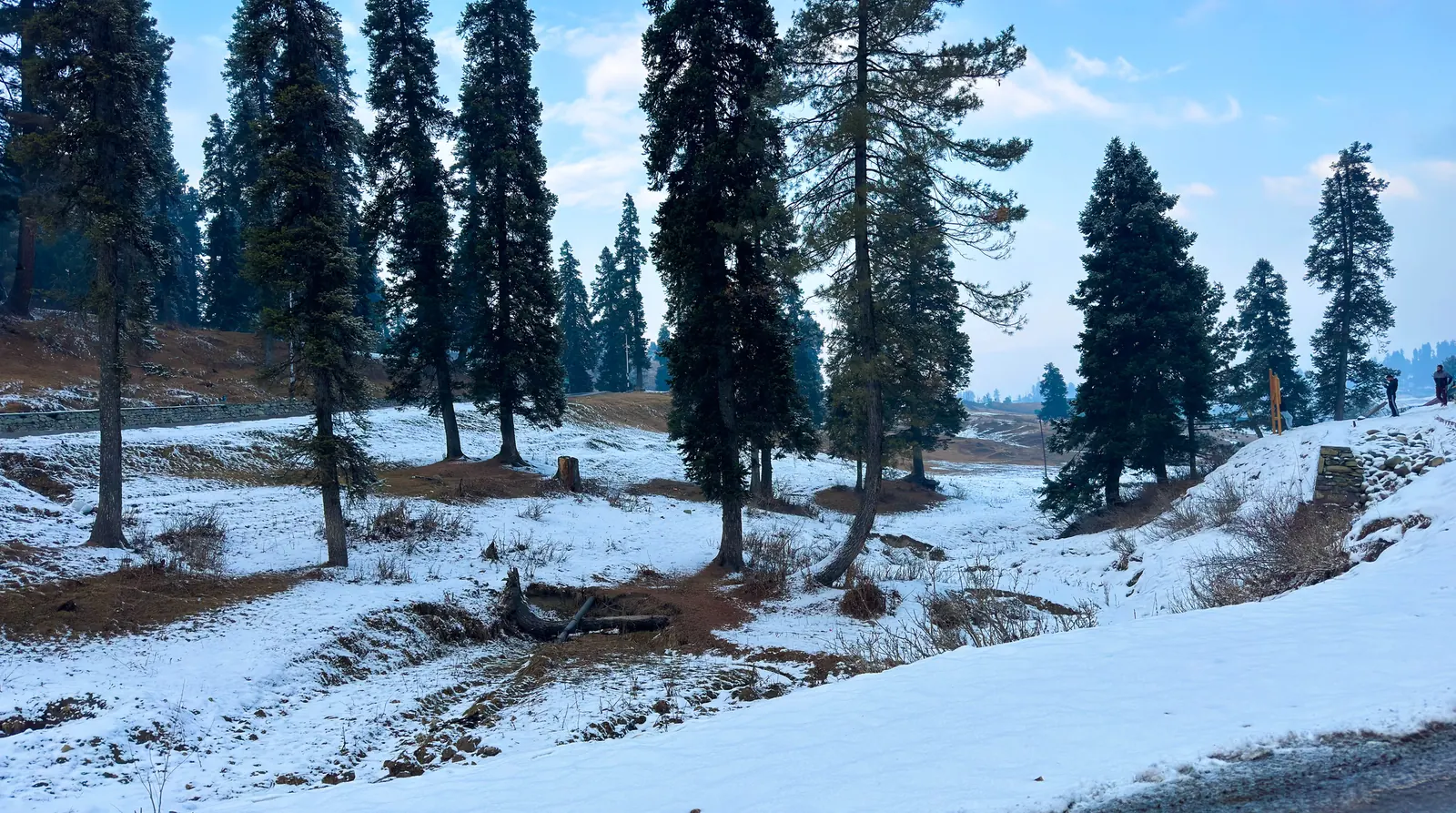
Guide
Kashmir in Winter 2026–27: Gulmarg Snow, Dal Lake and What It Costs
When snow reaches Gulmarg and Srinagar, how cold Chillai Kalan gets, how the gondola works in winter, New Year on Dal Lake, and our Kashmir trip prices from ₹17,999.
Read the guide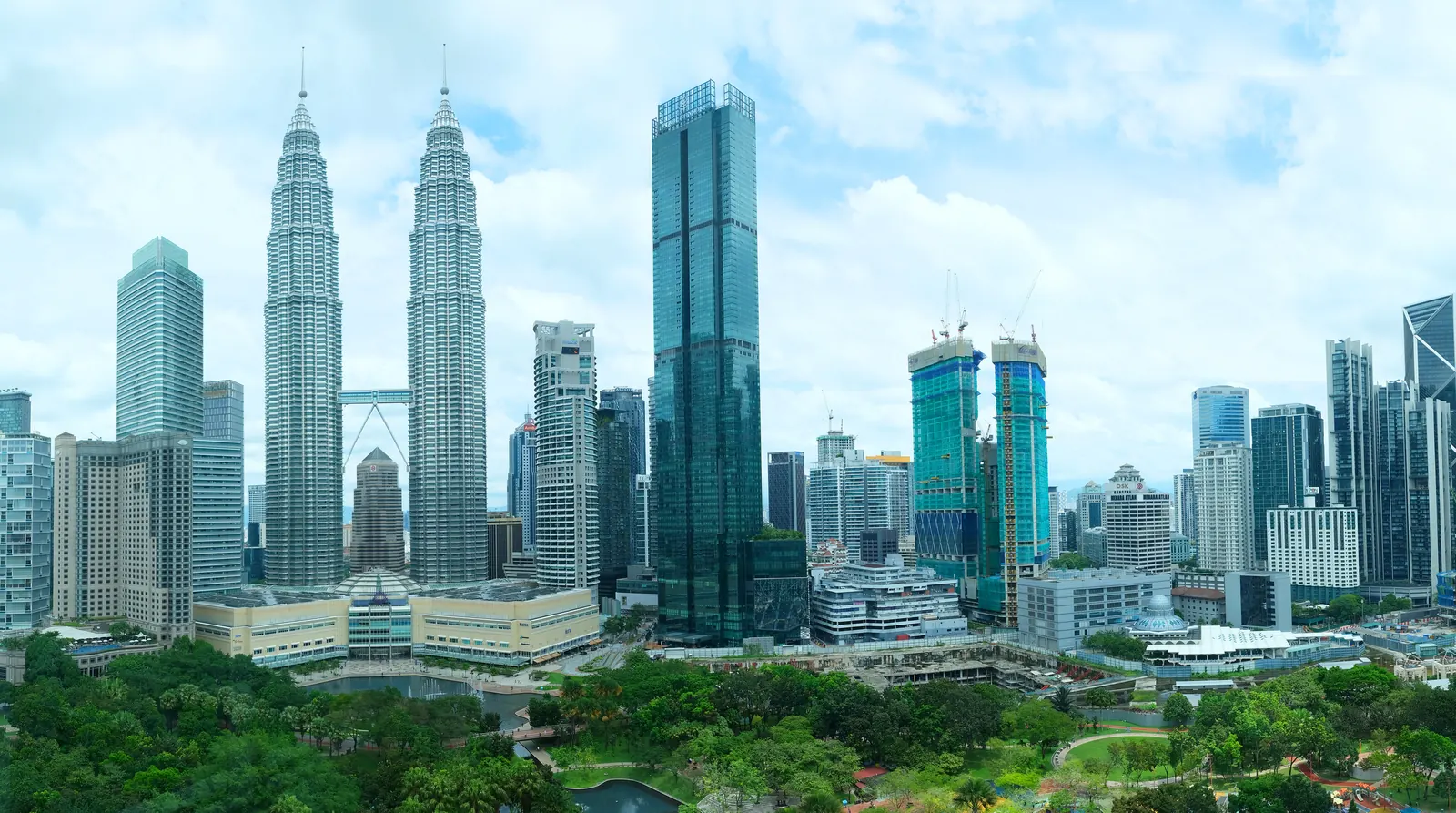
Visa
Malaysia Visa-Free for Indians 2026: 30 Days, MDAC and What to Carry
Indians can enter Malaysia visa-free for 30 days until 31 Dec 2026. How the MDAC works, what to carry at immigration, and when you need an eVISA. Checked Oct 2026.
Read the guidePlan this trip
Trips to Ladakh
Domestic
Flights included
AI
Ladakh Comfort: The Family Cut
Private journey
 Domestic
Flights included
Domestic
Flights included
Winter Ladakh: The White Silence
Private journey
 Activities
AI
Activities
AI
Nubra: The Double-Humped Camels
Wildlife experience