


Schengen Visa for Indians 2026: €90 Fee, Documents, Timing
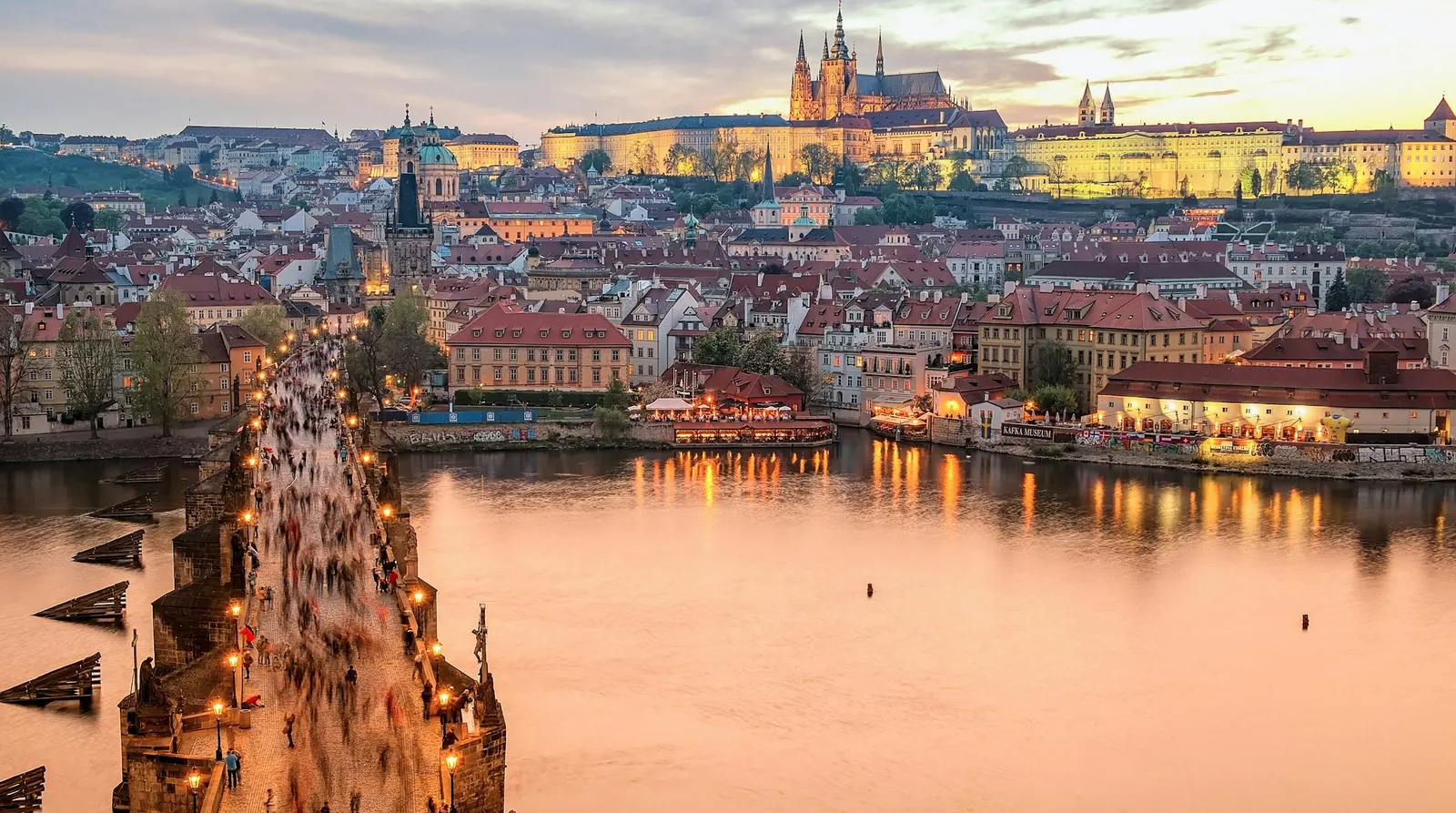
Yes, Indians need a Schengen visa for a holiday in Europe: one visa covers all 29 Schengen countries, the fee is €90 (about ₹9,600) for adults and €45 (about ₹4,800) for children aged 6 to 11, and a decision normally comes within 15 calendar days. Our Europe trips that include return flights from Ahmedabad and the visa fee start from ₹1,64,999 per person (prices checked 16 Oct 2026).
Four of the six trips below include return flights from Ahmedabad, hotels with daily breakfast, inter-city trains or coaches, the Schengen visa fee and a visa file prepared by us; the two scheduled group tours leave flights and visa fees to you. Travel insurance, which the visa requires, is not in any trip price. GST and TCS are shown in your written quote.
Prices checked 16 Oct 2026 from our live trip pages. Visa rules checked with the European Commission's Migration and Home Affairs pages and the EU Delegation to India in October 2026.
Do Indians need a Schengen visa for Europe?
Yes. Indian passport holders need a Schengen short-stay visa, also called a uniform visa, for a holiday of up to 90 days in any 180-day period. One visa lets you move between all 29 Schengen countries without border checks between them, including France, Switzerland, Italy, Greece, Czechia, Austria, Hungary, Germany and the Netherlands (Common Information Sheet for Schengen visa applicants in India).
Two points catch families out. The UK and Ireland are not in Schengen, so a London or Dublin leg needs its own rules checked. And a visa is not a right of entry: the border officer can ask about the purpose of your trip and whether you have enough money for the stay and the journey home, so keep bookings printed in your hand luggage.
How much is the Schengen visa fee in 2026?
The European Commission's visa page lists €90 for adults and €45 for children aged 6 to 11 (checked October 2026). The India information sheet adds that children under 6 pay nothing. Rupee figures below use the market rate of about ₹106 to the euro on 15 Oct 2026, so they move a little with the rupee.
| Applicant | Visa fee | In rupees, about |
|---|---|---|
| Adult, 12 and over | €90 | ₹9,600 |
| Child aged 6 to 11 | €45 | ₹4,800 |
| Child under 6 | Nil | Nil |
| Family of two adults, a child of 8 and a child of 4 | €225 | ₹23,900 |
The visa centre adds its own service fee, which differs by country. Students travelling to study pay no visa fee, and consulates may waive it for some others, such as children aged 6 to 17; check the country you apply to.
On our Greece, Central Europe, Italy and Swiss–Paris trips, the visa fee is already inside the trip price.
Which country's consulate should you apply to?
You apply to the country where you will spend the most time. If two or more countries tie, you apply to the country you enter first (European Commission, checked October 2026).
Here is how that works out on our Europe trips, on the itineraries as published today. We confirm the country from your final plan before the file goes in.
| Trip | Length | From (per person) | Flights and visa fee | Nights by country | Where you usually apply |
|---|---|---|---|---|---|
| Greece: Island Light | 7 days, 6 nights | ₹1,64,999 | Included | 2 in Athens, 4 on Santorini | Greece |
| Central Europe Storybook | 8 days, 7 nights | ₹1,69,999 | Included | 2 Prague, 2 Vienna, 3 Budapest | Hungary |
| Italy Amore: Rome to Venice | 8 days, 7 nights | ₹1,79,999 | Included | All 7 in Italy | Italy |
| Swiss–Paris Classic | 8 days, 7 nights | ₹1,89,999 | Included | 3 Paris, 4 Switzerland | Switzerland |
| European Highlights: Paris to Rome | 10 days, 9 nights | ₹1,92,000 | Not included | 2 each in France, Switzerland and Italy, 1 each in the Netherlands, Germany and Austria | France, the first country you enter |
| Fascinating Europe: Paris & Switzerland | 8 days, 7 nights | ₹2,07,000 | Not included | 3 Paris, 4 Switzerland | Switzerland |
The two group tours have fixed departure dates and include Indian Jain, vegetarian or non-vegetarian lunches and dinners on most days, which suits many families travelling with parents; you book your own flights once your seat is confirmed in writing.
The Central Europe trip surprises people: it starts in Prague, but Budapest has the most nights, so the application goes to Hungary. If you apply to the wrong consulate, it returns your file and refunds the fee, and you lose the time it took (India information sheet).
Each country takes applications at its embassy, consulate or appointed visa centre, and some need an appointment; the information sheet links to every country's visa page, so check yours for the nearest centre.
Which documents and travel insurance do you need?
Every applicant hands in a completed and signed application form and the supporting documents on the chosen country's own list. The common rules from the India information sheet are these:
- Passport. Valid for at least three months after the day you leave the Schengen area, with at least two blank pages, and issued within the last 10 years. If your passport runs out within a few months of your return date, renew it before you apply.
- Fingerprints and photo. You appear in person once to give fingerprints and a photo. If you gave fingerprints for a Schengen visa in the last 5 years, they can usually be copied from that file. Children under 12 do not give fingerprints.
- Travel medical insurance. At least €30,000 of cover (about ₹32 lakh) for emergency treatment, hospital stays and repatriation, including in case of death. It must be valid in every Schengen country for the whole trip. For a multiple-entry visa, you show cover for the first trip and sign a statement in the form.
- More on request. The consulate can ask for extra documents or call you for an interview.
Tips for parents and elderly travellers
Buy insurance before the appointment, because the policy goes into the file. For parents, read the age limits and the terms on existing conditions, and declare those conditions honestly. If queues are hard for them, book an early appointment and carry every page in checklist order.
On our private Europe trips we prepare the full file and go through the checklist with you before the appointment.
How long does a Schengen visa take, and when should you apply?
The consulate decides within 15 calendar days of the day you apply. In individual cases, when it needs a closer look or more documents, that can stretch to 45 calendar days. You can apply no earlier than six months before the trip and no later than 15 calendar days before it (European Commission and India information sheet, checked October 2026).
Our trip pages plan for 4 to 8 weeks from the start of the file to the passport coming back, biometrics included, because the wait for an appointment comes on top of the decision time. For a trip in the May or June school holidays, that means starting in March or April; book leave and the trip first, then the appointment.
What is the visa cascade for Indians, and how long can the visa last?
On 18 Apr 2024 the EU adopted a specific "cascade" for Indian nationals living in India (EU Delegation to India). It works like this:
- After you have obtained and lawfully used two Schengen visas in the previous three years, you can get a two-year multiple-entry visa.
- The two-year visa is normally followed by a five-year visa, if your passport has enough validity left.
Lawfully used means you travelled within the rules of those visas. A multi-year visa gives travel rights close to those of visa-free visitors, but no right to work, and the 90-days-in-180 limit still applies. For a family that visits Europe often, it ends the yearly round of appointments, and it is a reason to renew a passport with little validity left before you apply.
What changes at the border with the Entry/Exit System?
The Entry/Exit System (EES) has been fully running at all external Schengen borders since 10 Apr 2026 (European Commission, page dated 27 Jul 2026). For short-stay visitors from outside the EU, which includes Indians on a Schengen visa, it records your passport details, fingerprints and a facial image, and the dates you enter and leave. People with a long-stay visa or residence permit from an EES country are among those it does not register.
In practice, entry takes a few more steps at the passport desk than before. With elderly parents or small children, avoid tight onward connections on the day you land.
How we help
We plan Europe from Ahmedabad with flights, hotels, trains and the Schengen visa file in one written quote, and we tell you which consulate your itinerary points to before you book anything. For a custom route, see our Europe guide or read how we build customised travel plans, then start with a message.
Sources, checked October 2026: European Commission, applying for a Schengen visa; Common Information Sheet for Schengen visa applicants in India; EU Delegation to India, Schengen rules for Indians; European Commission, Entry/Exit System.
FAQs
What is the Schengen visa fee for Indians in 2026? €90 for adults, about ₹9,600, and €45 for children aged 6 to 11, about ₹4,800, according to the European Commission (checked October 2026). Children under 6 pay nothing. The visa centre adds its own service fee.
How long does a Schengen visa take for Indians? The consulate normally decides within 15 calendar days, and up to 45 days in individual cases. Apply between six months and 15 days before you travel; we suggest starting 4 to 8 weeks ahead.
Which embassy should I apply to for a multi-country Europe trip? The country where you spend the most nights; if countries tie, the one you enter first. On our Swiss–Paris trip, that is Switzerland.
How much travel insurance do I need for a Schengen visa? Medical cover of at least €30,000, about ₹32 lakh, for emergencies, hospital stays and repatriation, valid in every Schengen country for the whole trip.
Can Indians get a 5-year Schengen visa? Yes, under the cascade adopted on 18 Apr 2024. After two visas lawfully used in three years you can get a two-year visa, normally followed by a five-year visa if your passport has enough validity left.
Do I give fingerprints at the airport in Europe now? Yes. Since 10 Apr 2026 the Entry/Exit System records your fingerprints and a facial image at the external Schengen border, in addition to the fingerprints taken at the visa appointment.
Ready to turn an idea into a trip?
Find a journey →Want more guides like this in your Google results?
Keep reading
More from the journal
Guide
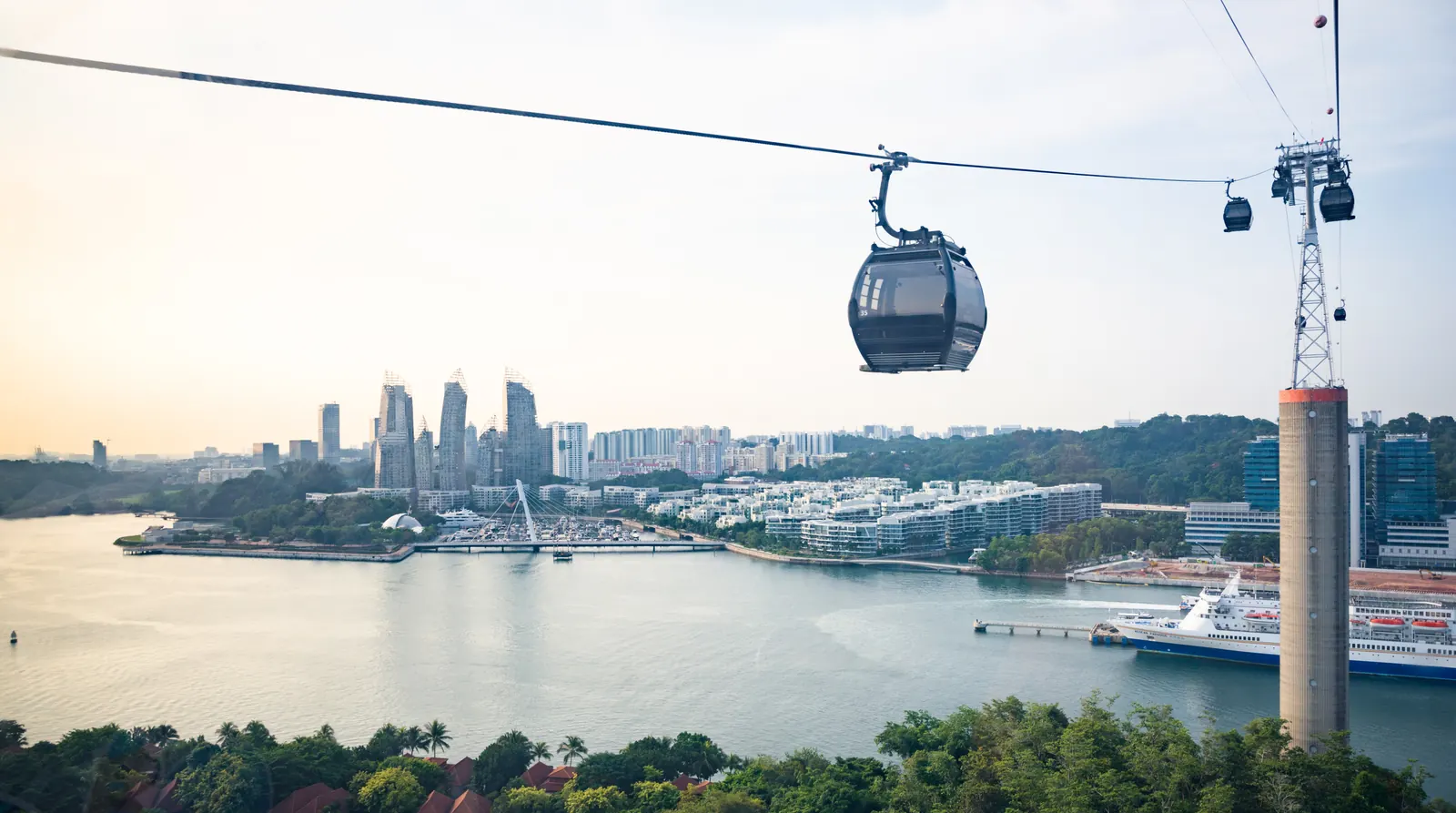
Sentosa Cable Car Price 2026: SkyHelix, Day Pass from ₹4,499
The Sentosa cable car Sky Pass is S$35 (about ₹2,600) for adults and S$25 for children; our Sentosa day with the cable car, luge and admission is from ₹4,499 per person.
Read the guide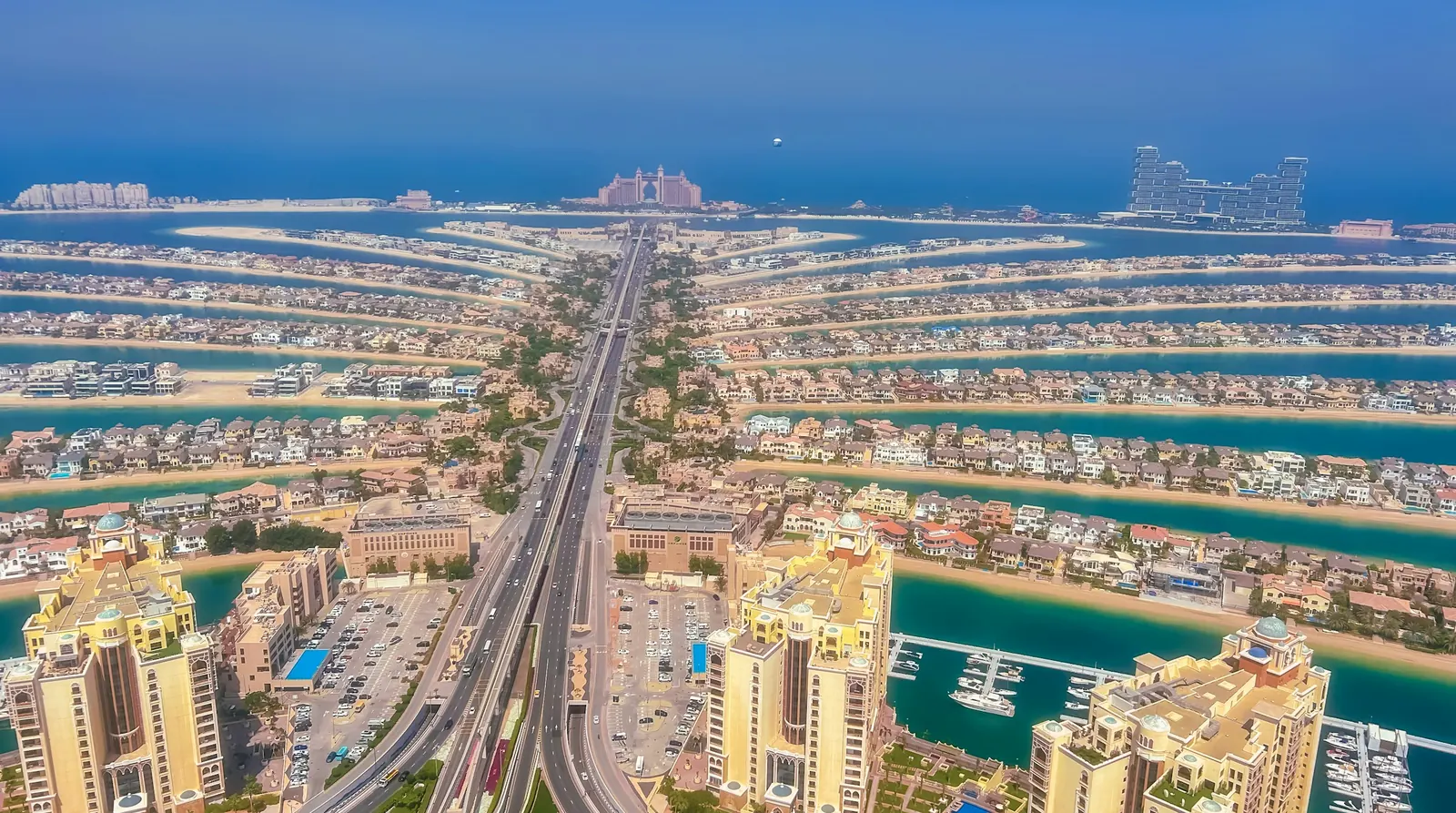
Guide
5-Day Dubai Itinerary from India 2026: Plan from ₹48,999
Five days in Dubai: Marina, Burj Khalifa at sunset, the desert, Old Dubai, home. Our 5-day trips from Ahmedabad are from ₹48,999 per person with flights and visa.
Read the guide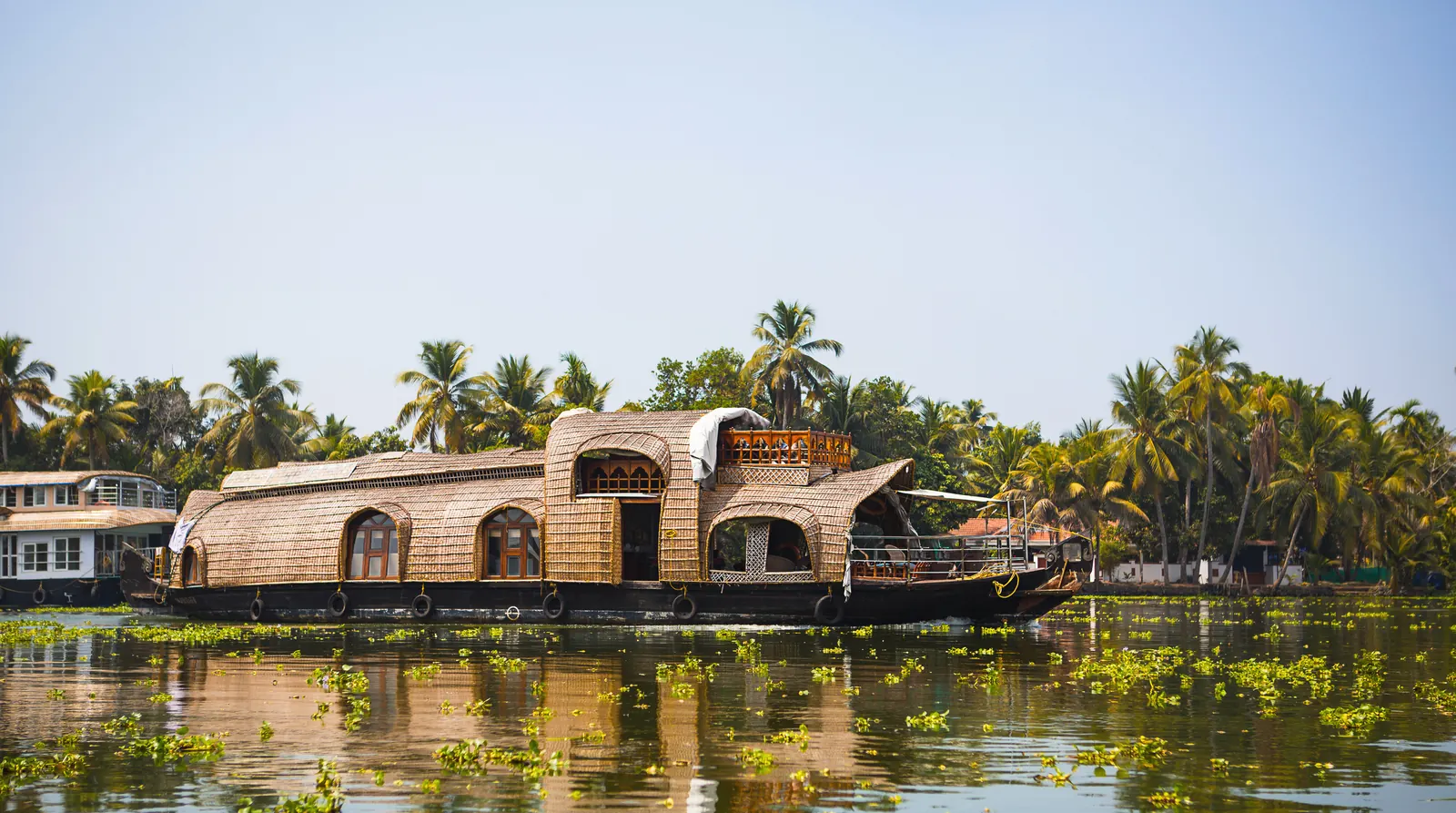
Guide
Places to Visit in India with Elderly Parents: from ₹8,999
The gentlest places for elderly parents: Statue of Unity, Somnath and Dwarka, Kerala's backwaters and Kashmir in autumn. Our trips run from ₹8,999 per person.
Read the guide